

BAESIN

Application

Industrial Gases

Industrial Gases

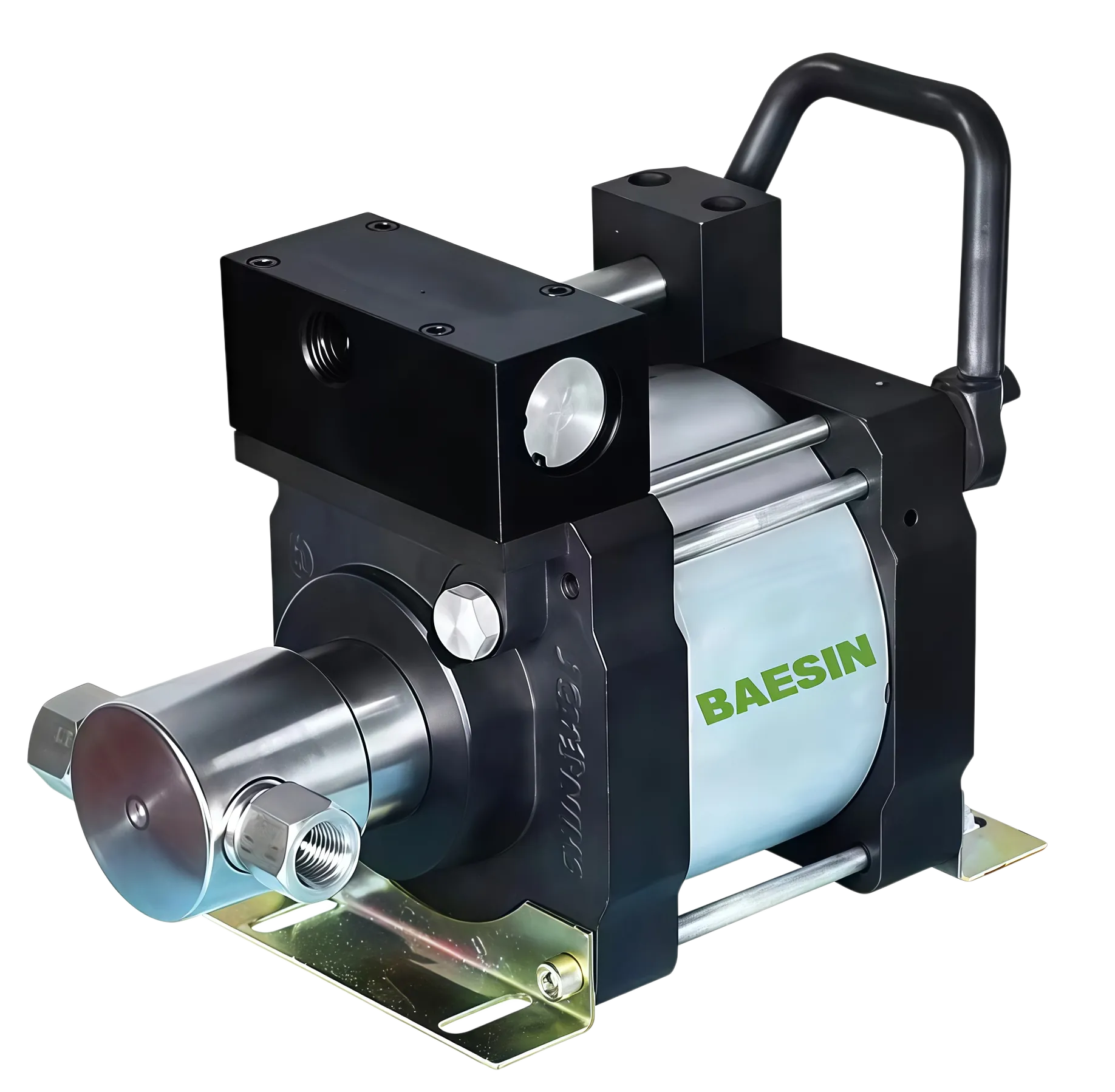
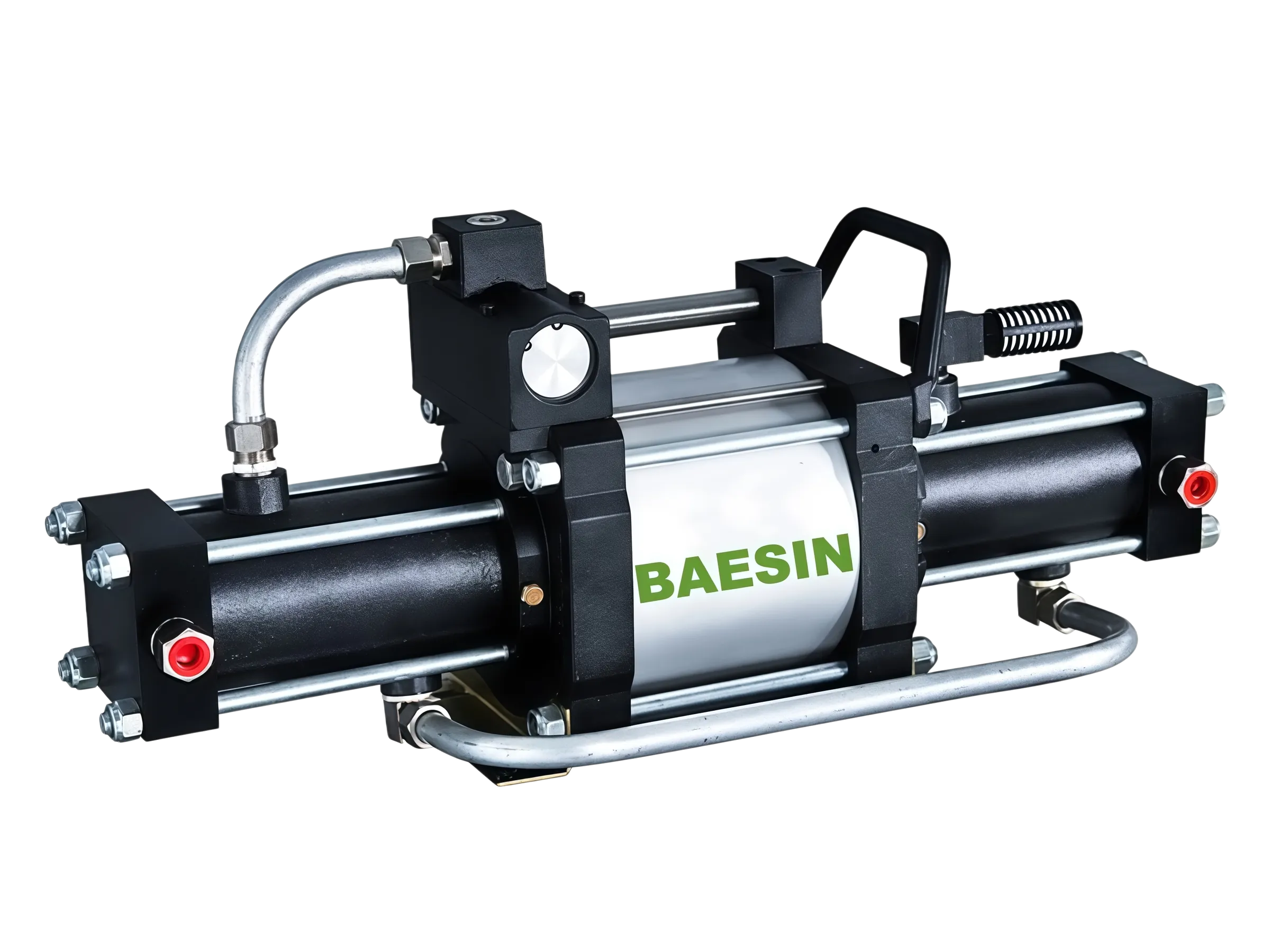
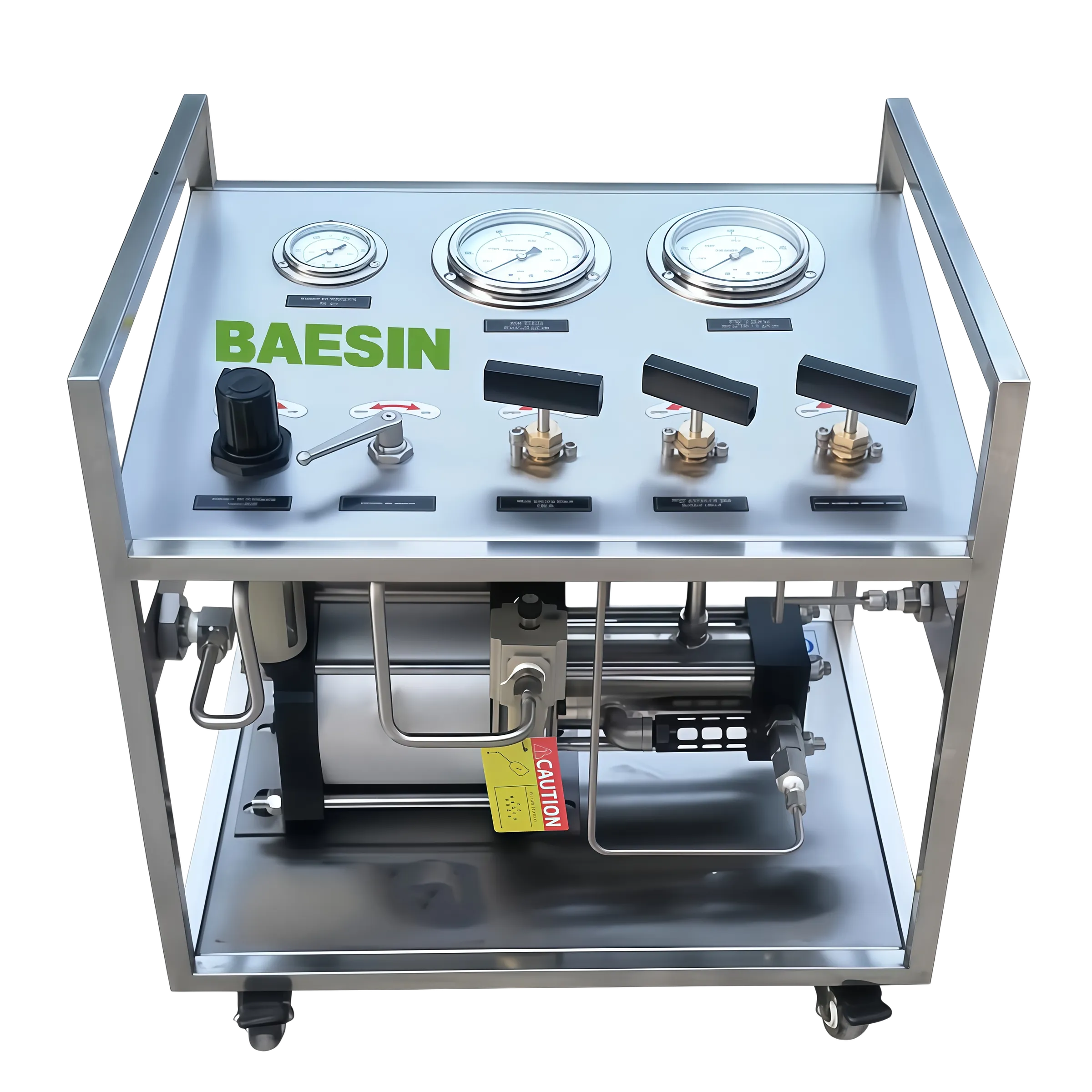
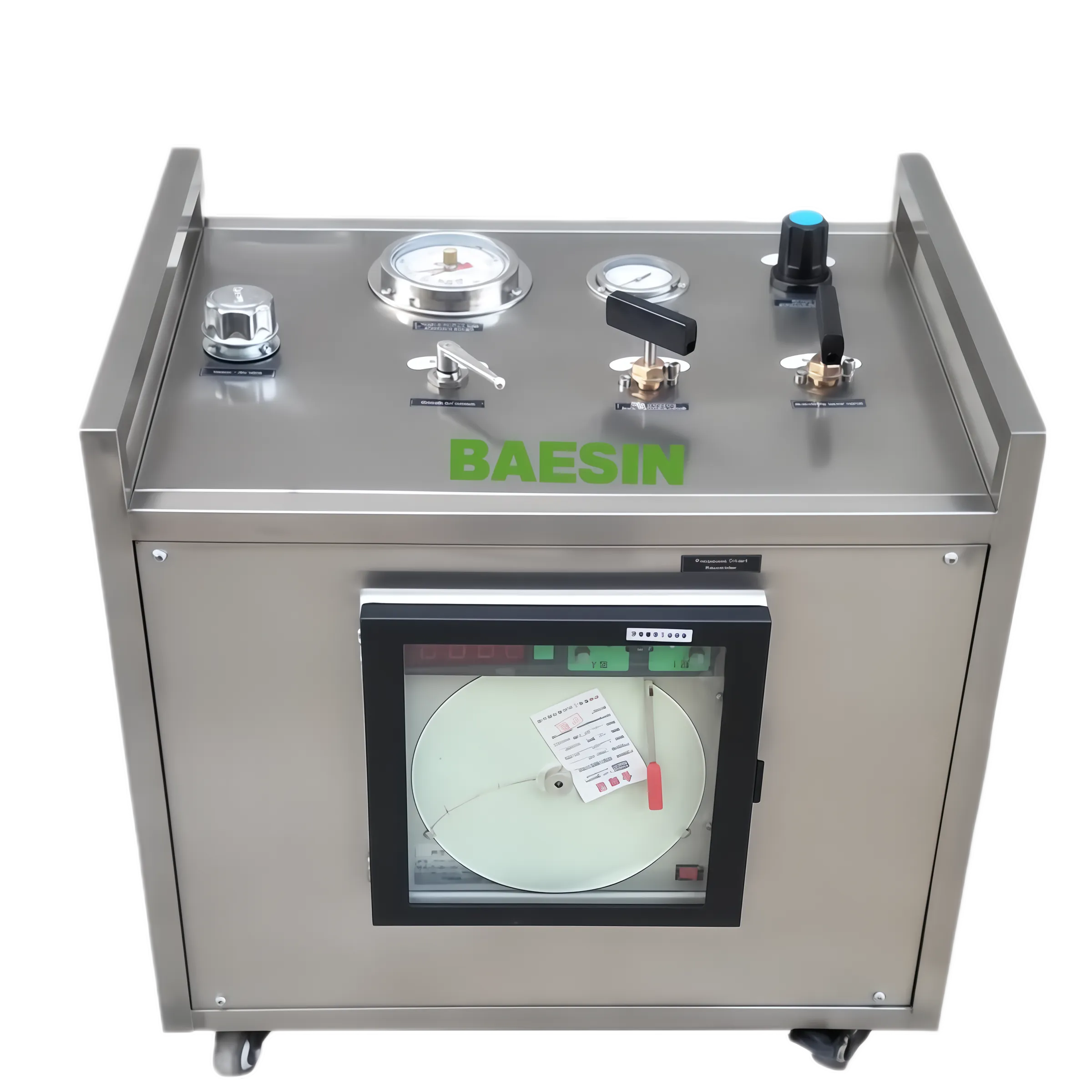
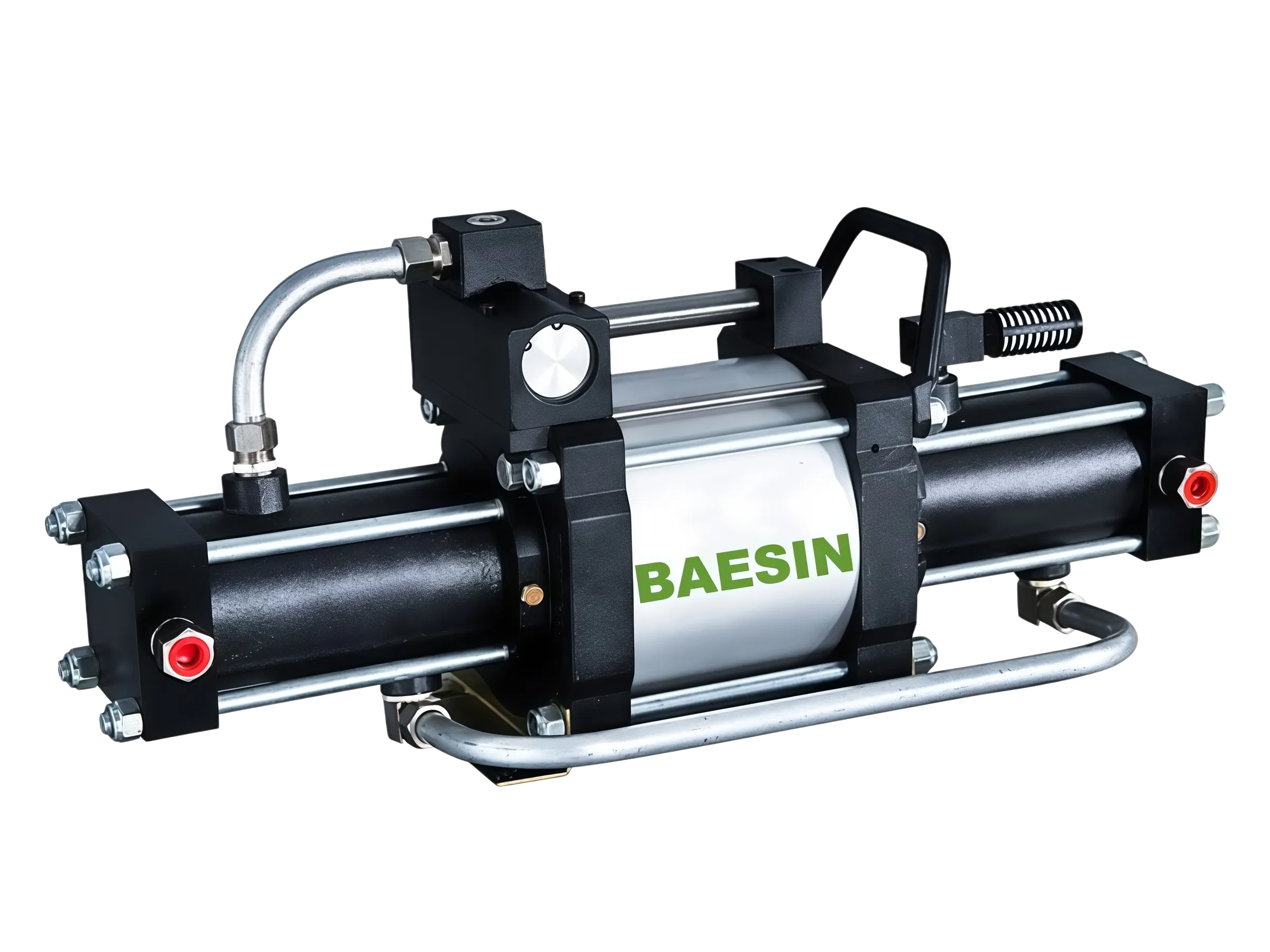
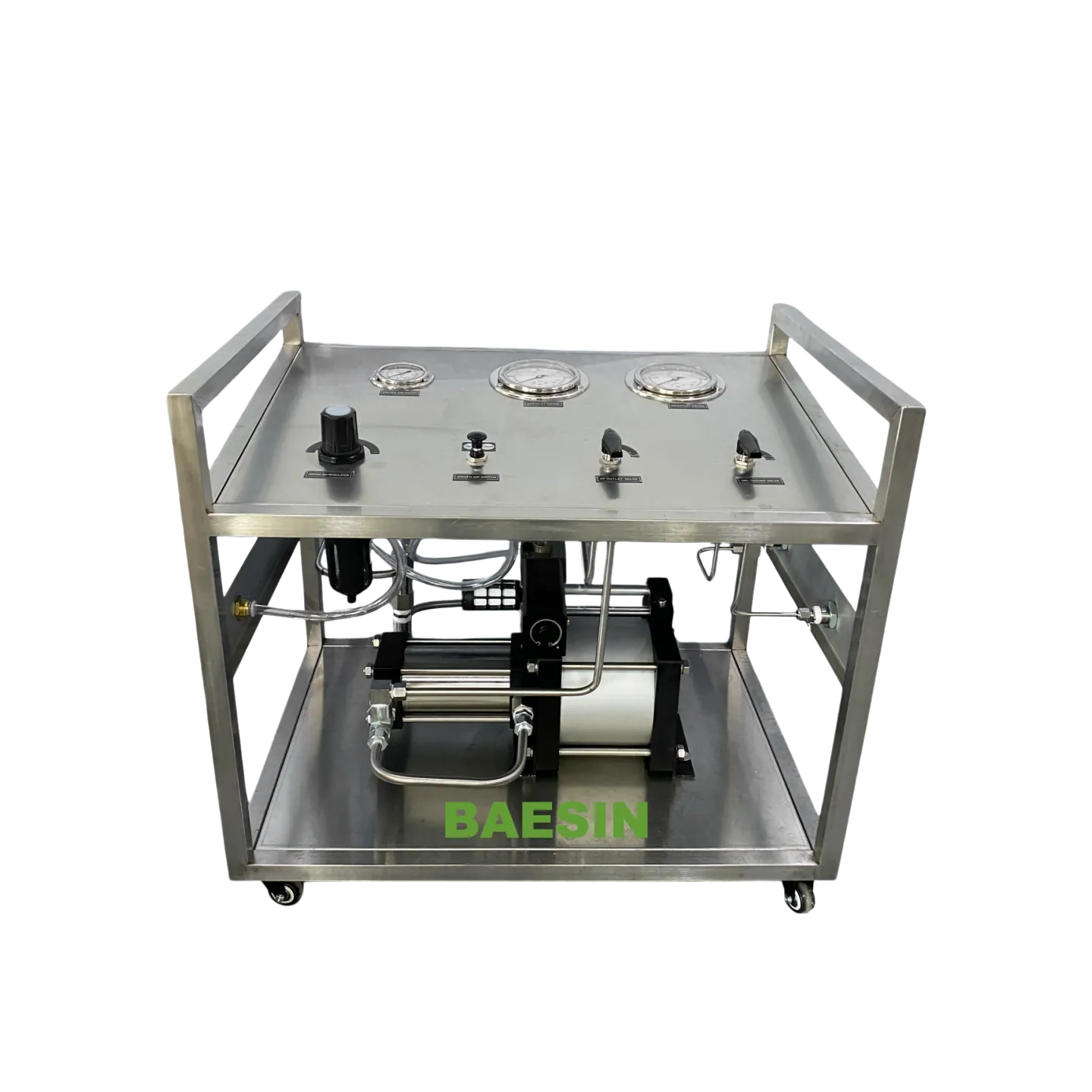
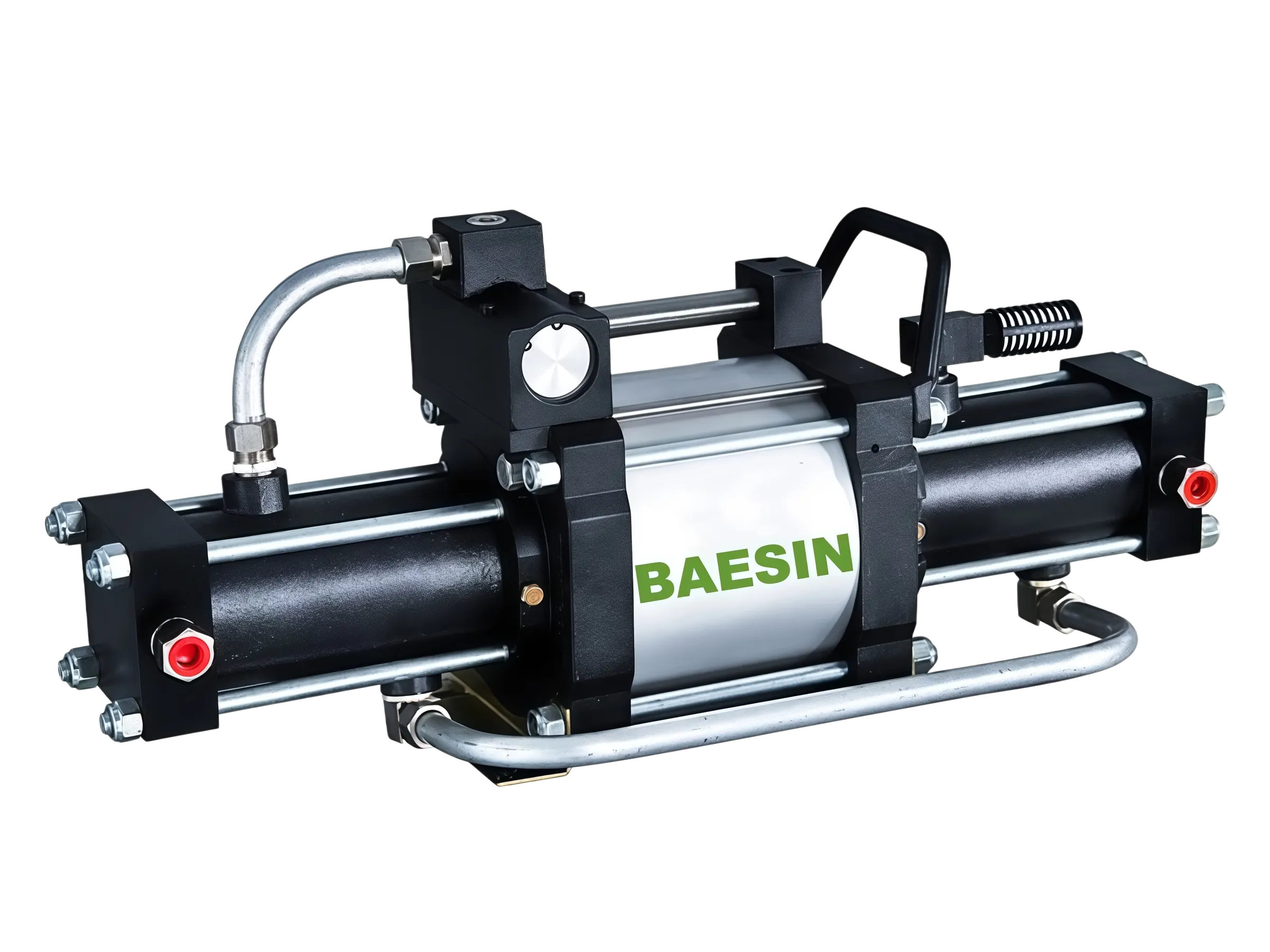
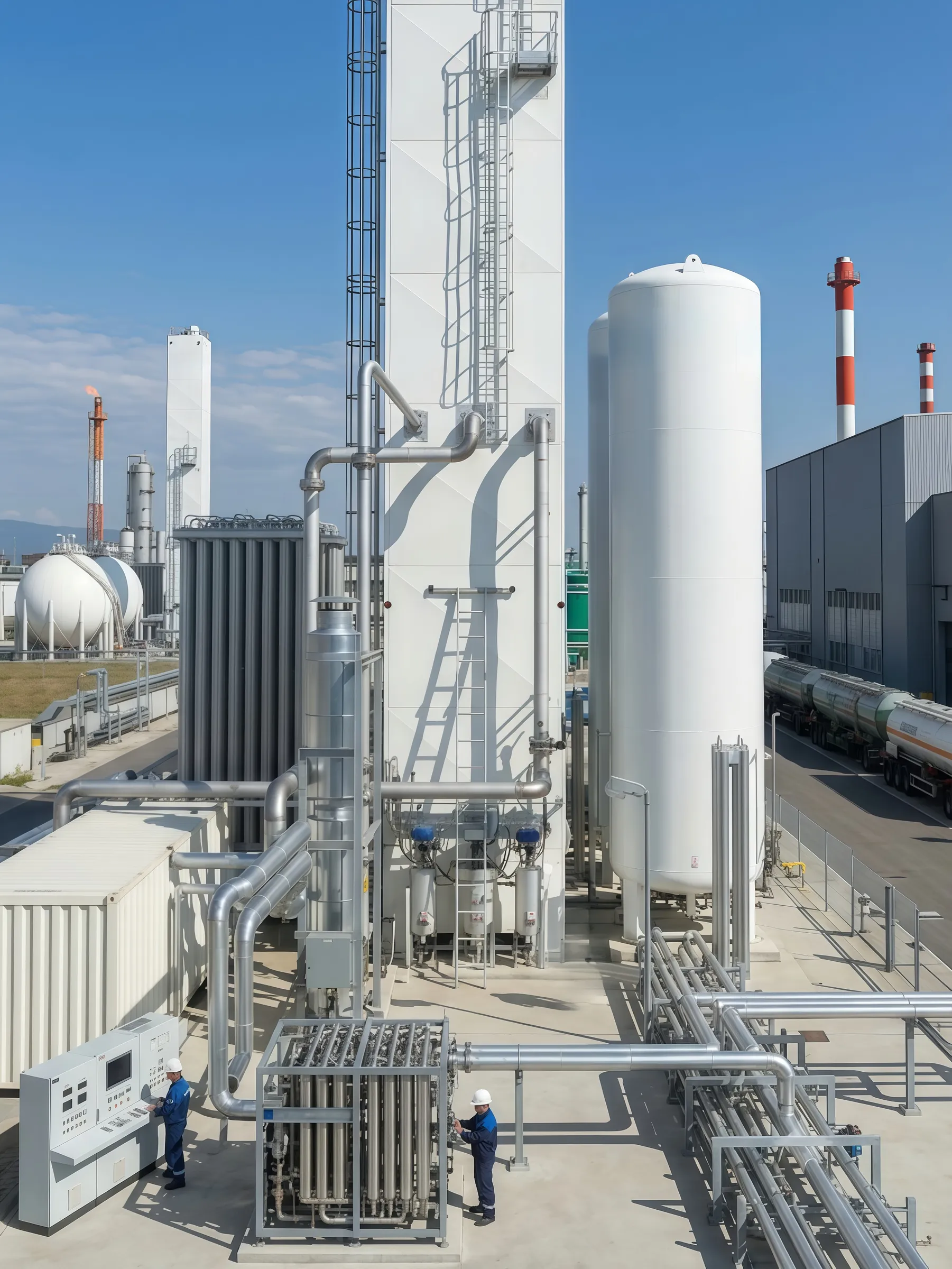
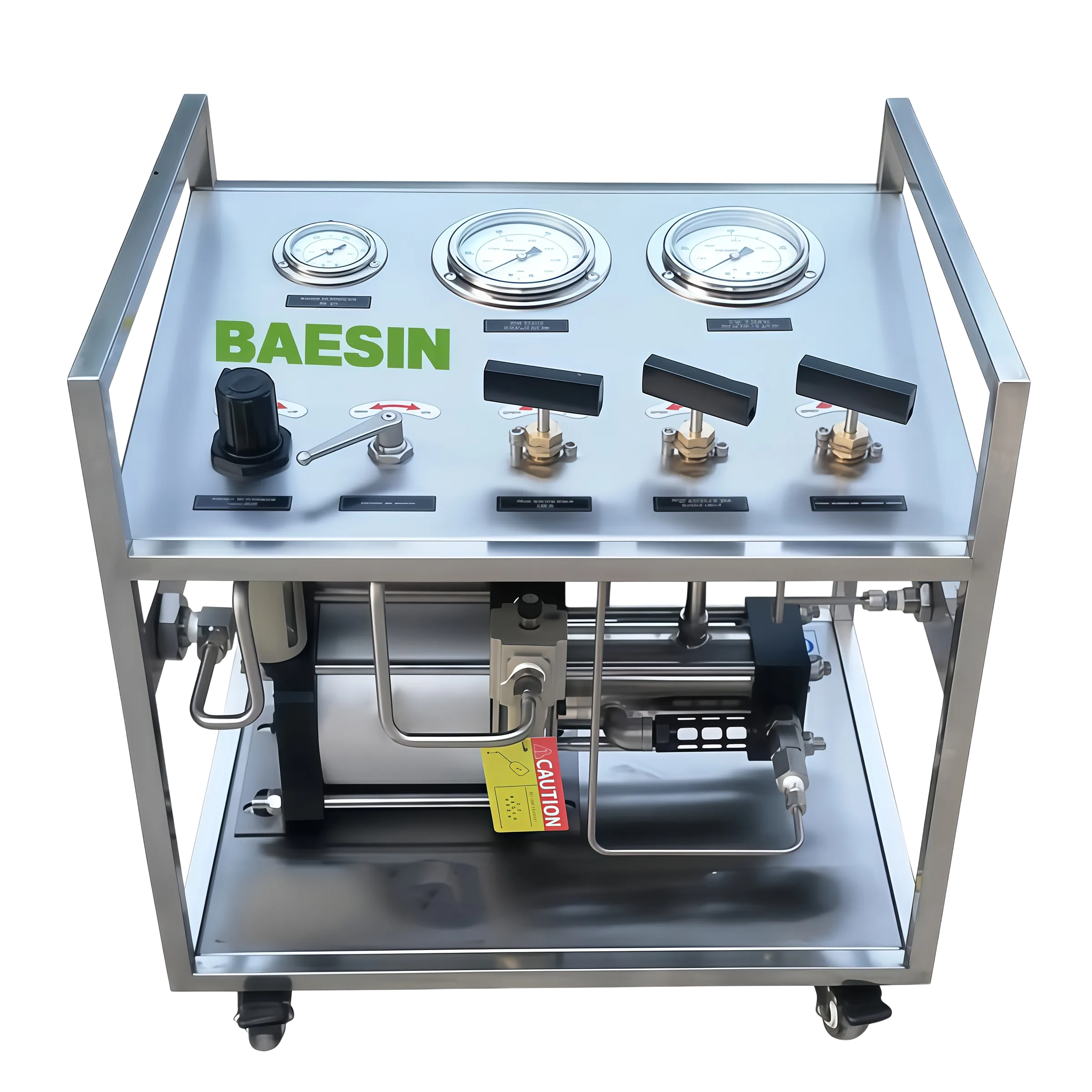
Pneumatic boosting equipment plays a key role in the filling, transfer, and boosting of industrial gases, ensuring safe and efficient handling of gases such as O₂, N₂, Ar, CO₂, H₂, He, Air, CH₄, C₂H₂, C₃H₈, C₄H₁₀, CO... Explosion-proof and intrinsically safe, it is ideal for cylinder filling, gas cascade systems, and high-pressure gas transfer in industrial plants, laboratories, and gas storage facilities.
Petroleum

Petroleum

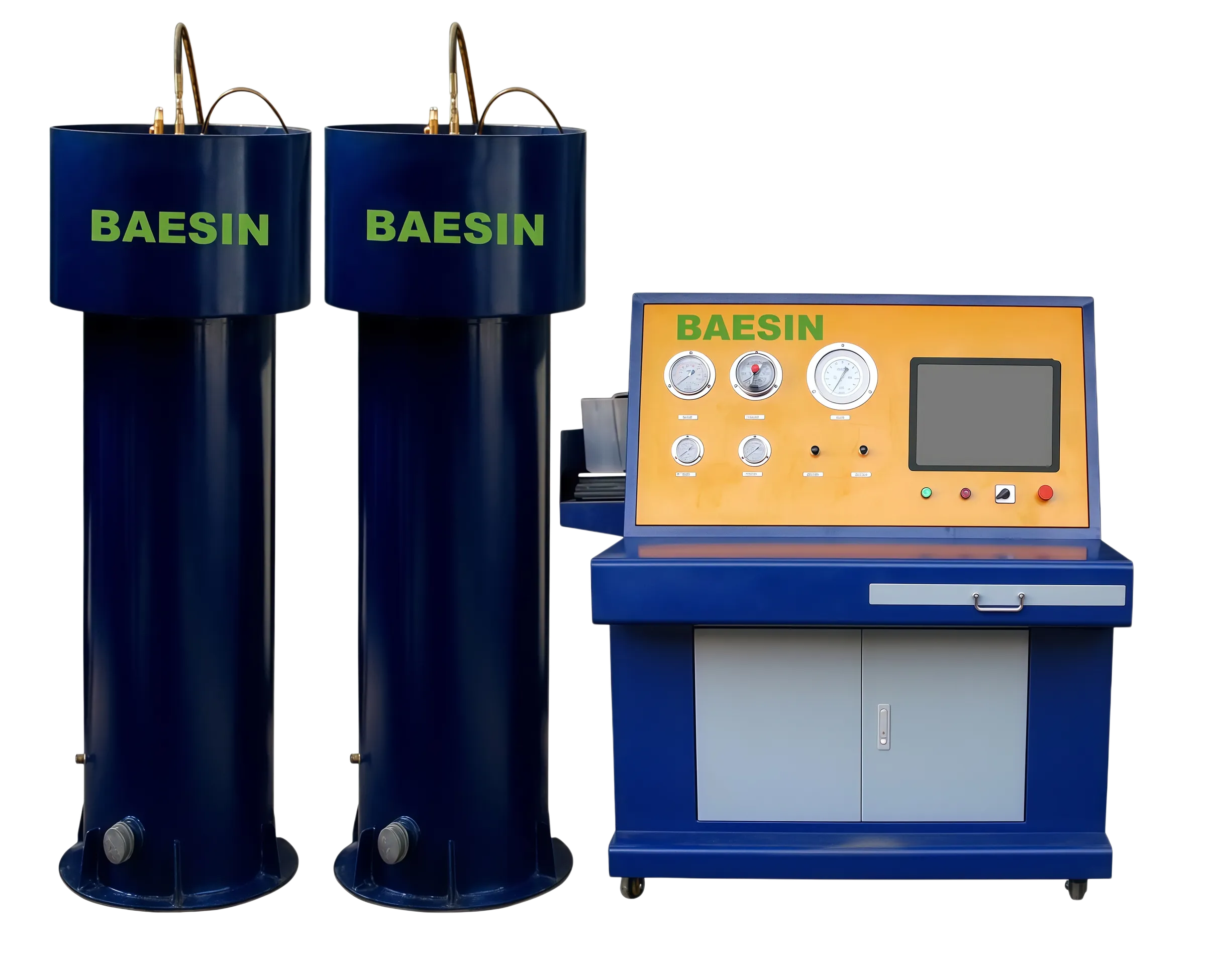
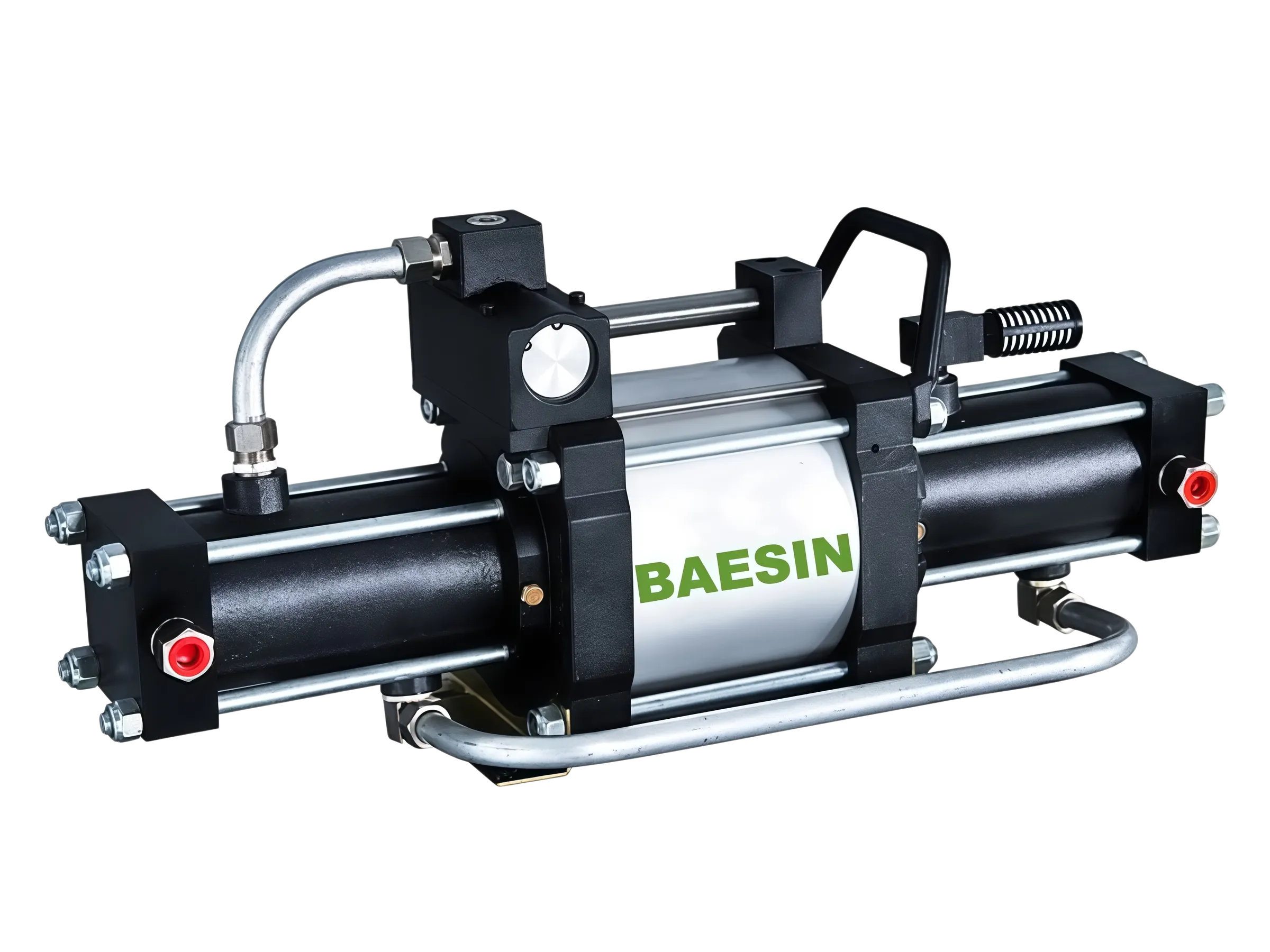
Pneumatic boosting equipment is widely used in oil extraction, petrochemicals, and gas processing for wellhead testing, gas lift, enhanced oil recovery, chemical injection, pipeline hydrotesting, reactor pressure boosting, valve/cylinder pressure testing, and hazardous-area sampling - all while delivering spark-free, intrinsically safe high-pressure operation in explosive environments.

Fire Protection

Fire Protection

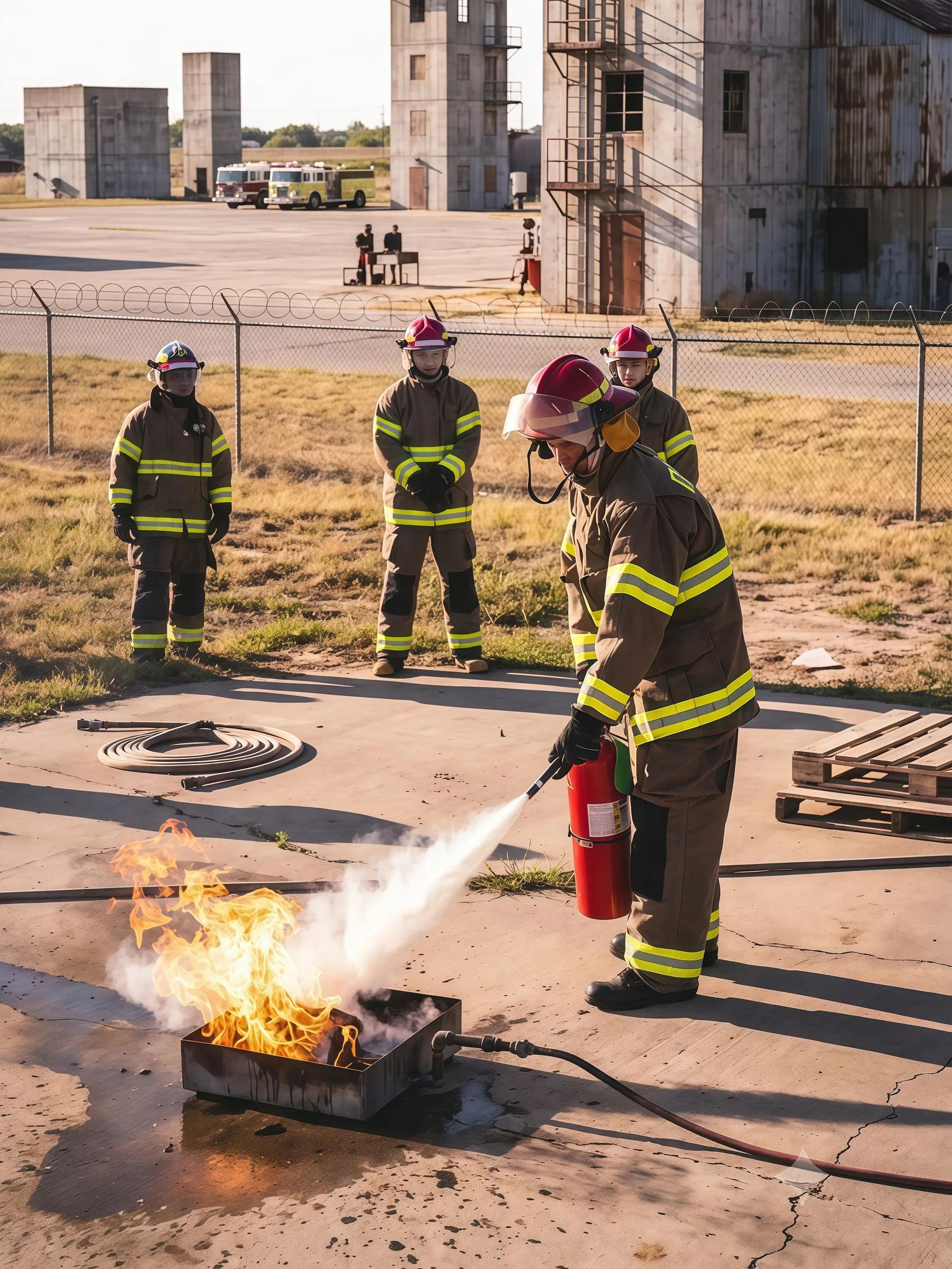
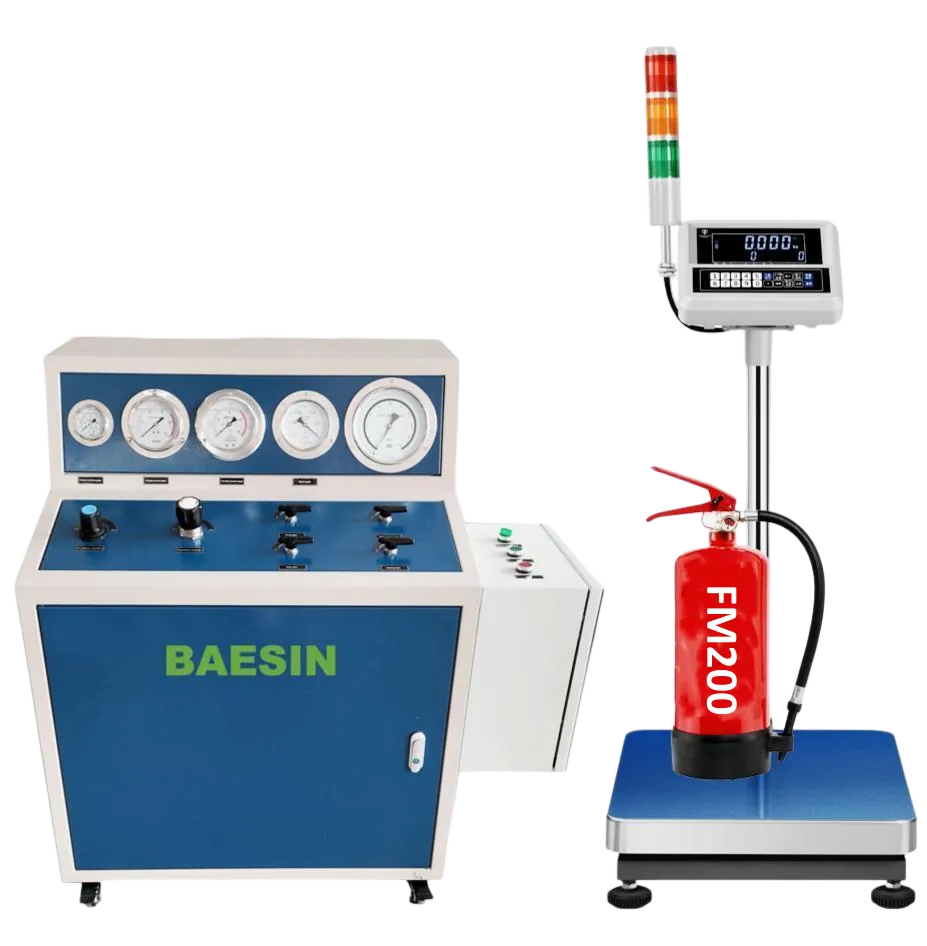
Filling, transferring, and recovering extinguishing agents (FM200, NOVEC 1230, CO₂, etc.); pressurizing water for high-rise sprinkler systems; testing cylinders, valves, and piping for strength and tightness; supporting gas suppression systems (IG-541) and pre-engineered units; and enabling portable filling for breathing air or onboard fire truck systems - all inherently safe with no electrical ignition hazard.
Medical

Medical

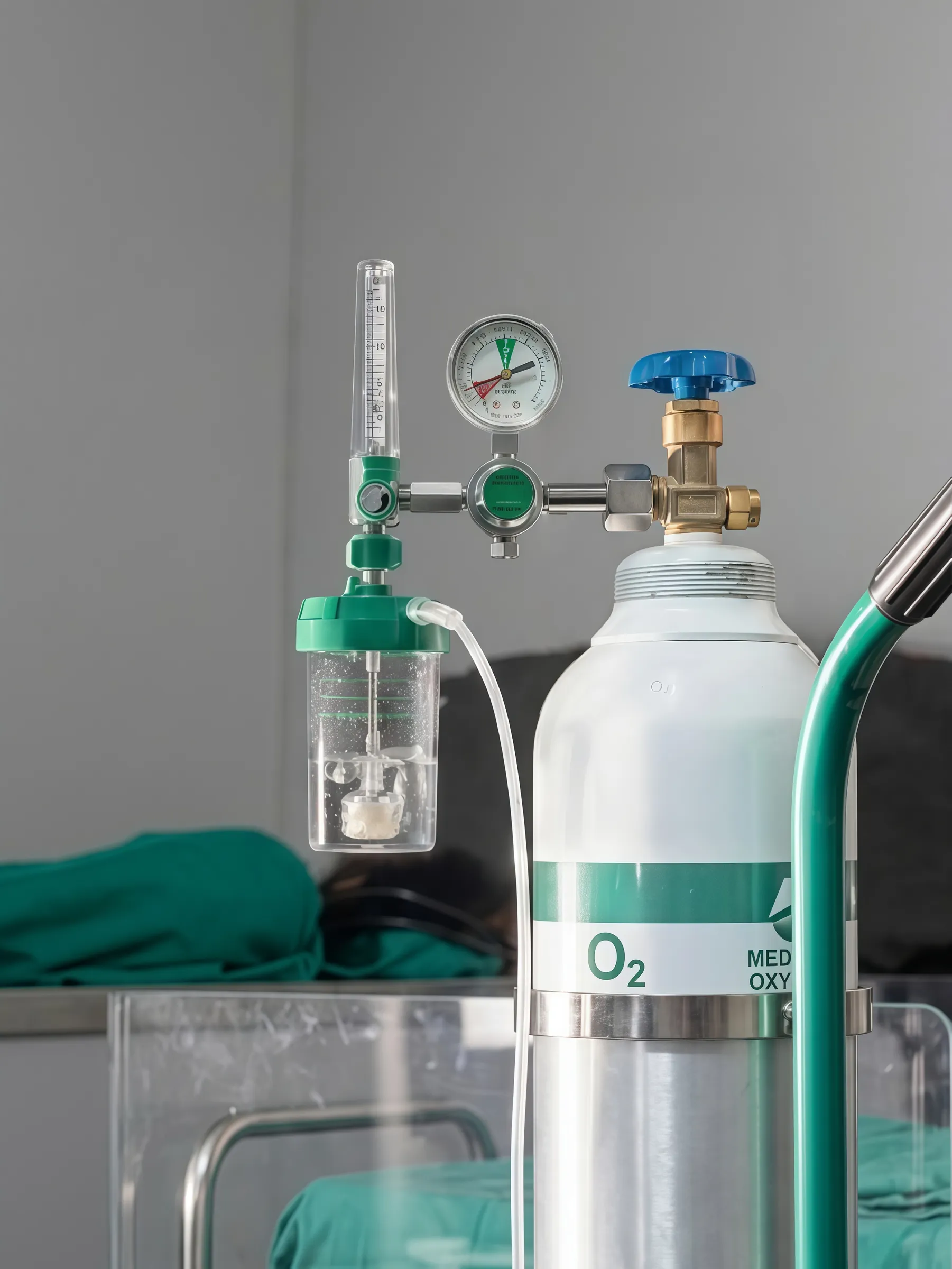
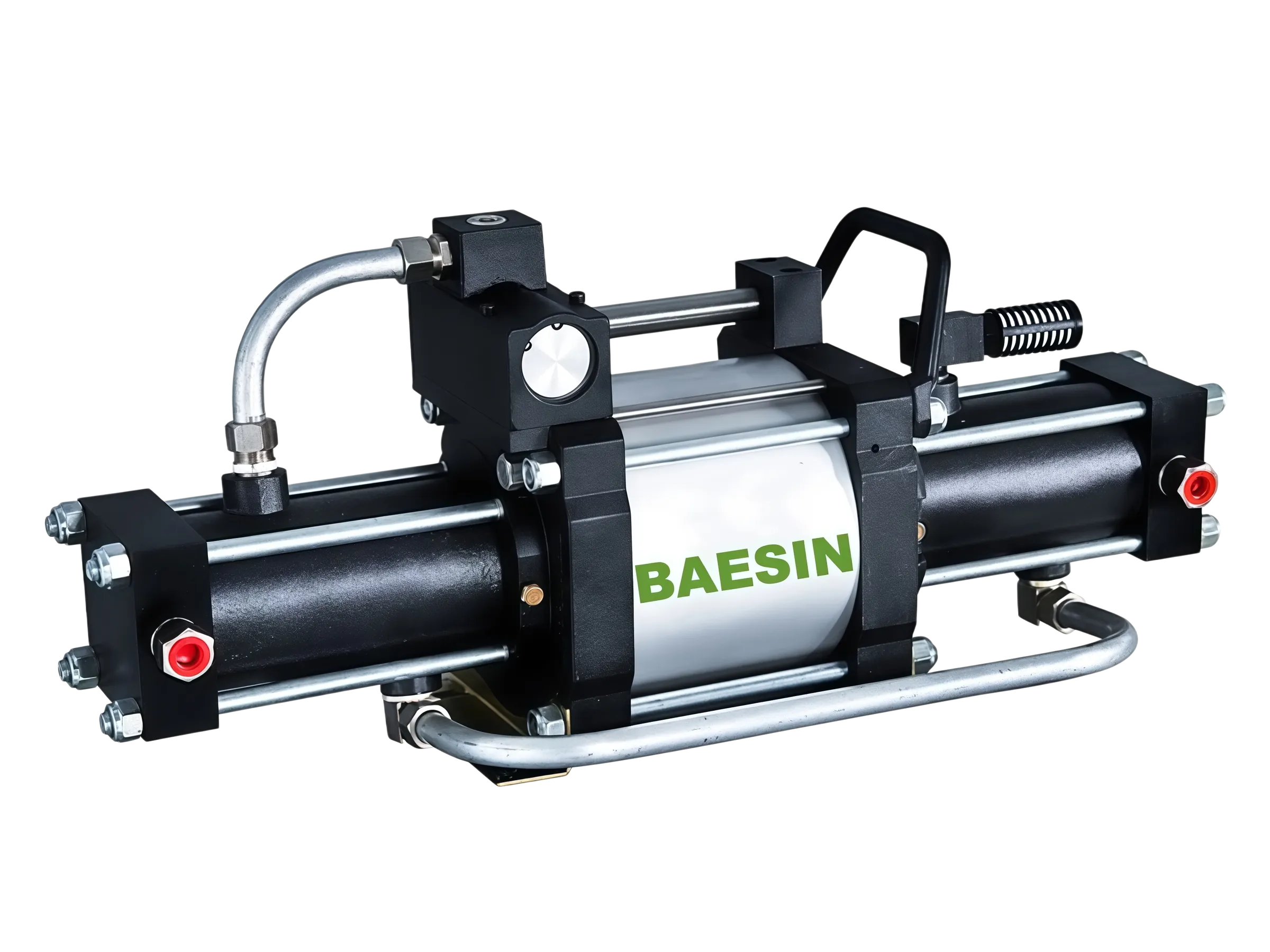
Beyond oxygen filling, pneumatic boosters charge/transfer respiratory gas mixtures (e.g., N₂+O₂), supply stable gas to ventilators and anesthesia machines, power surgical tools, and test catheters, tubing, and valves for leaks, proof pressure, and burst - plus R&D and high-pressure injection. All with no sparks, clean, adjustable output - ideal for medical safety.

Auto parts

Auto parts

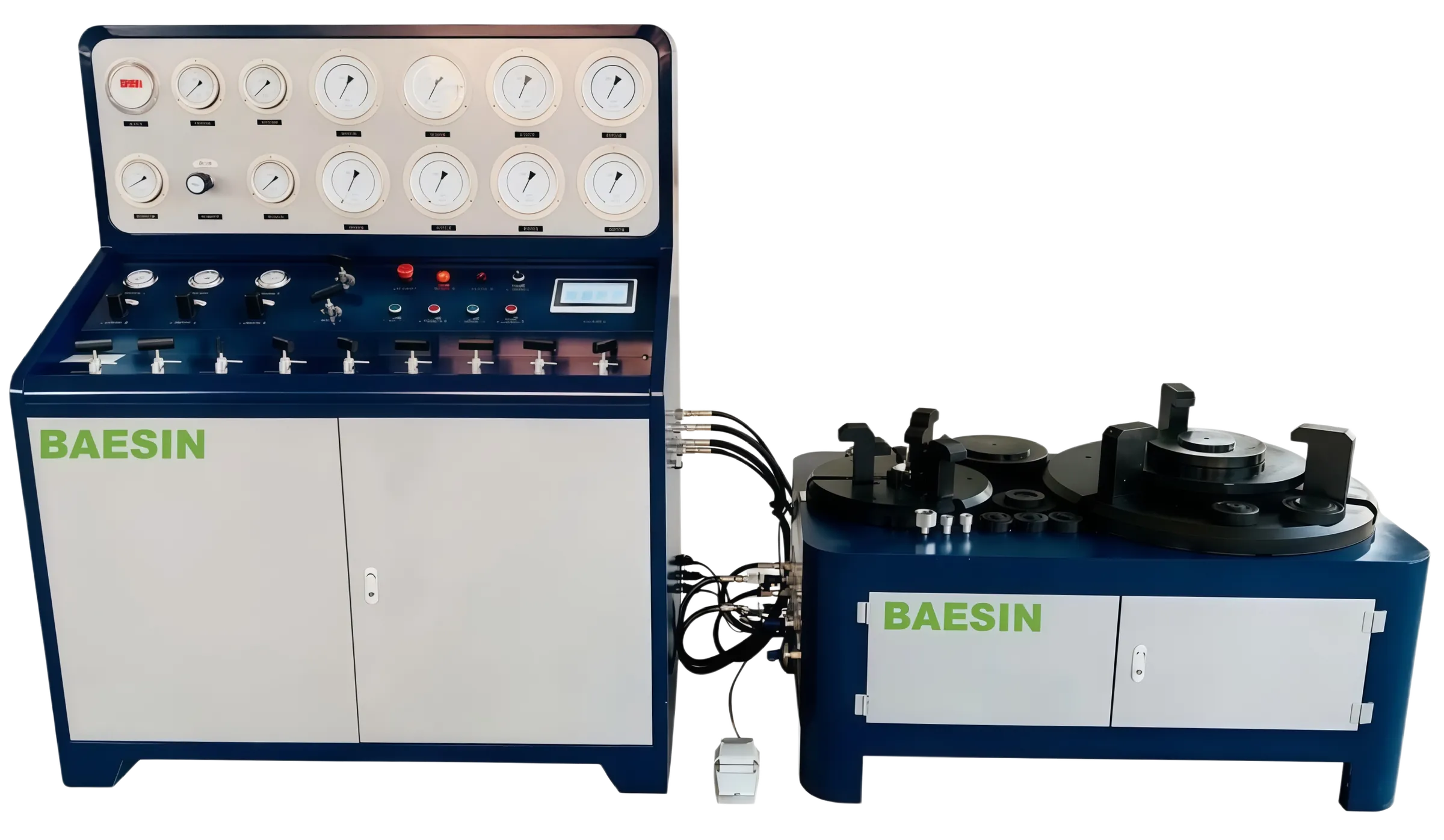
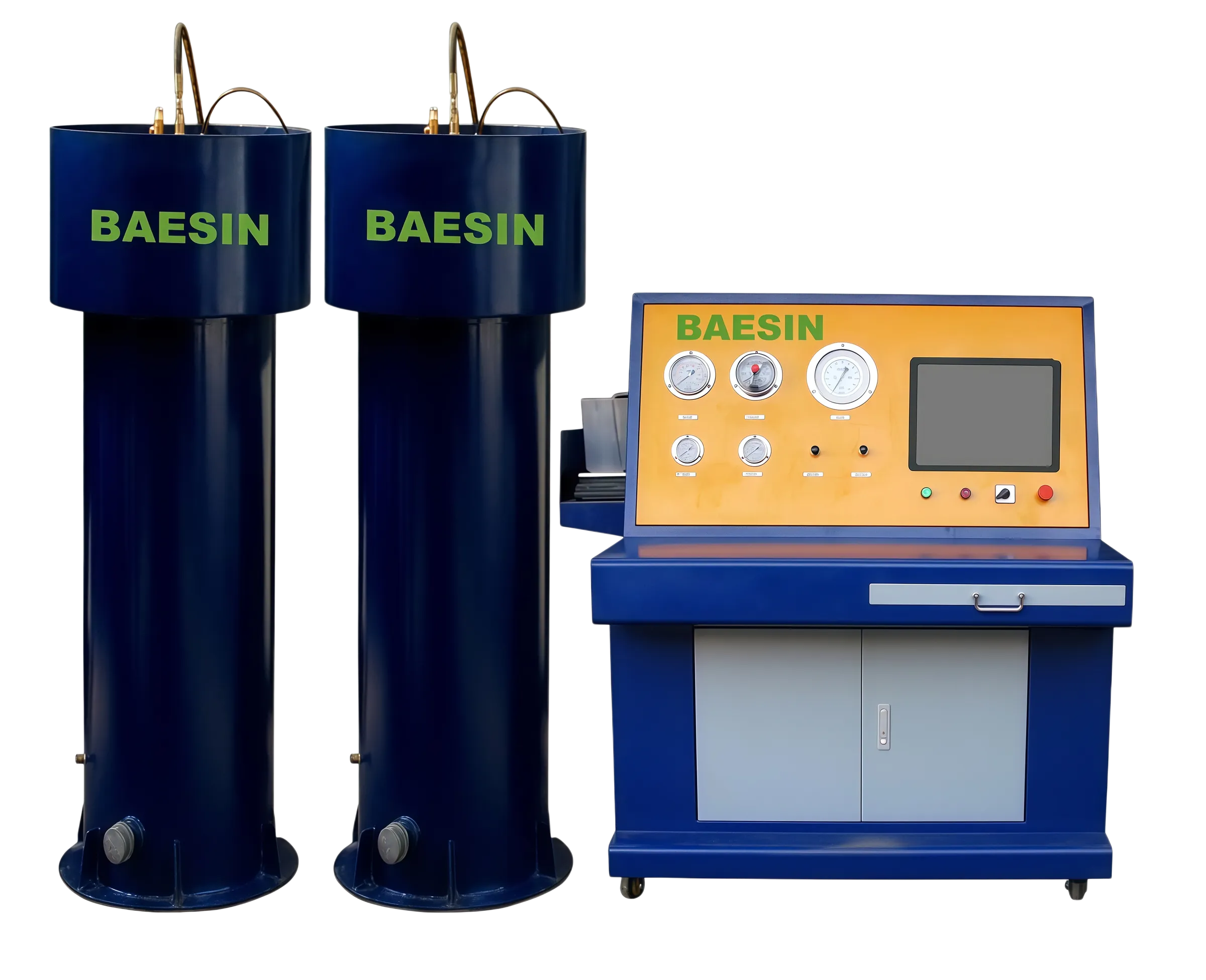
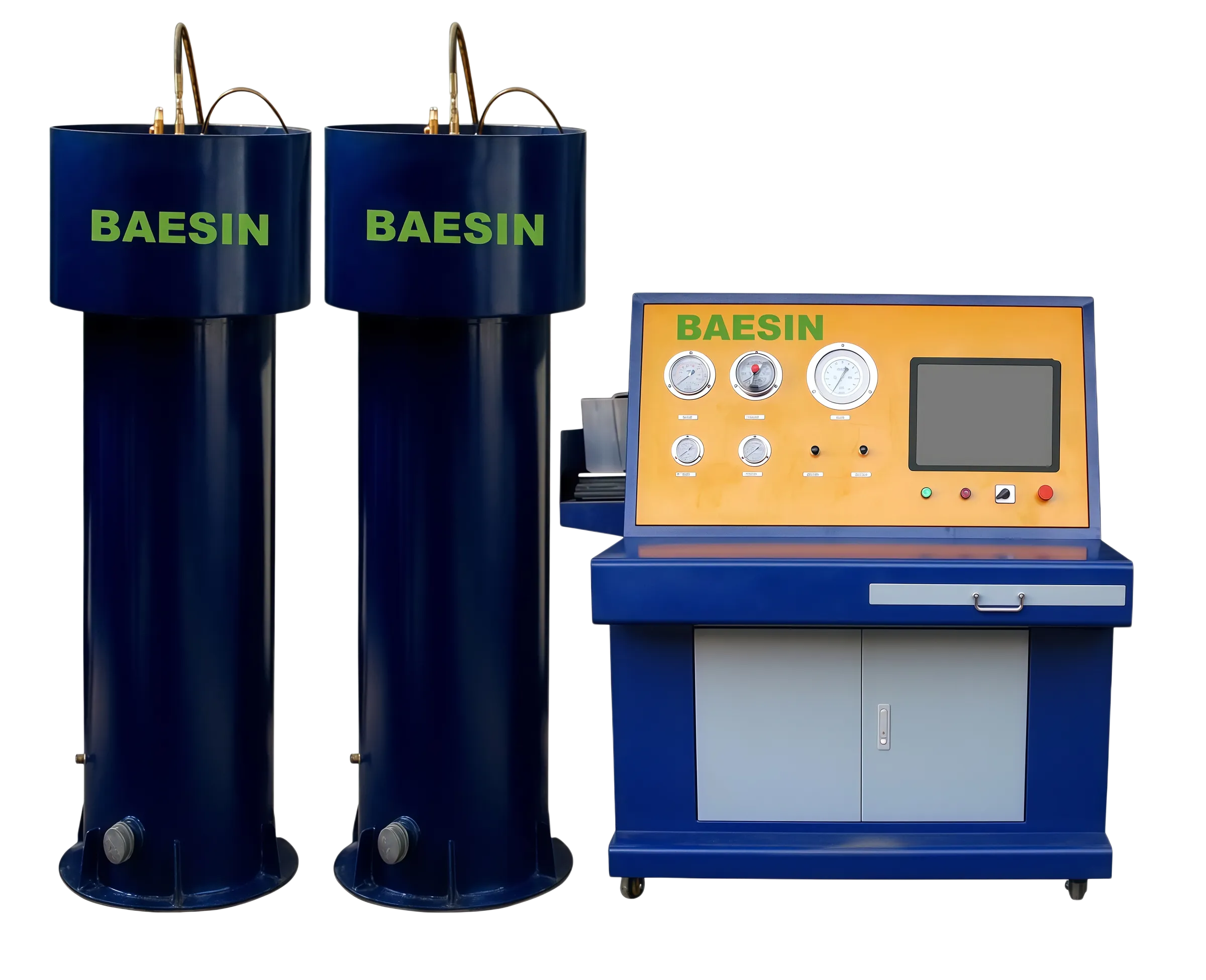
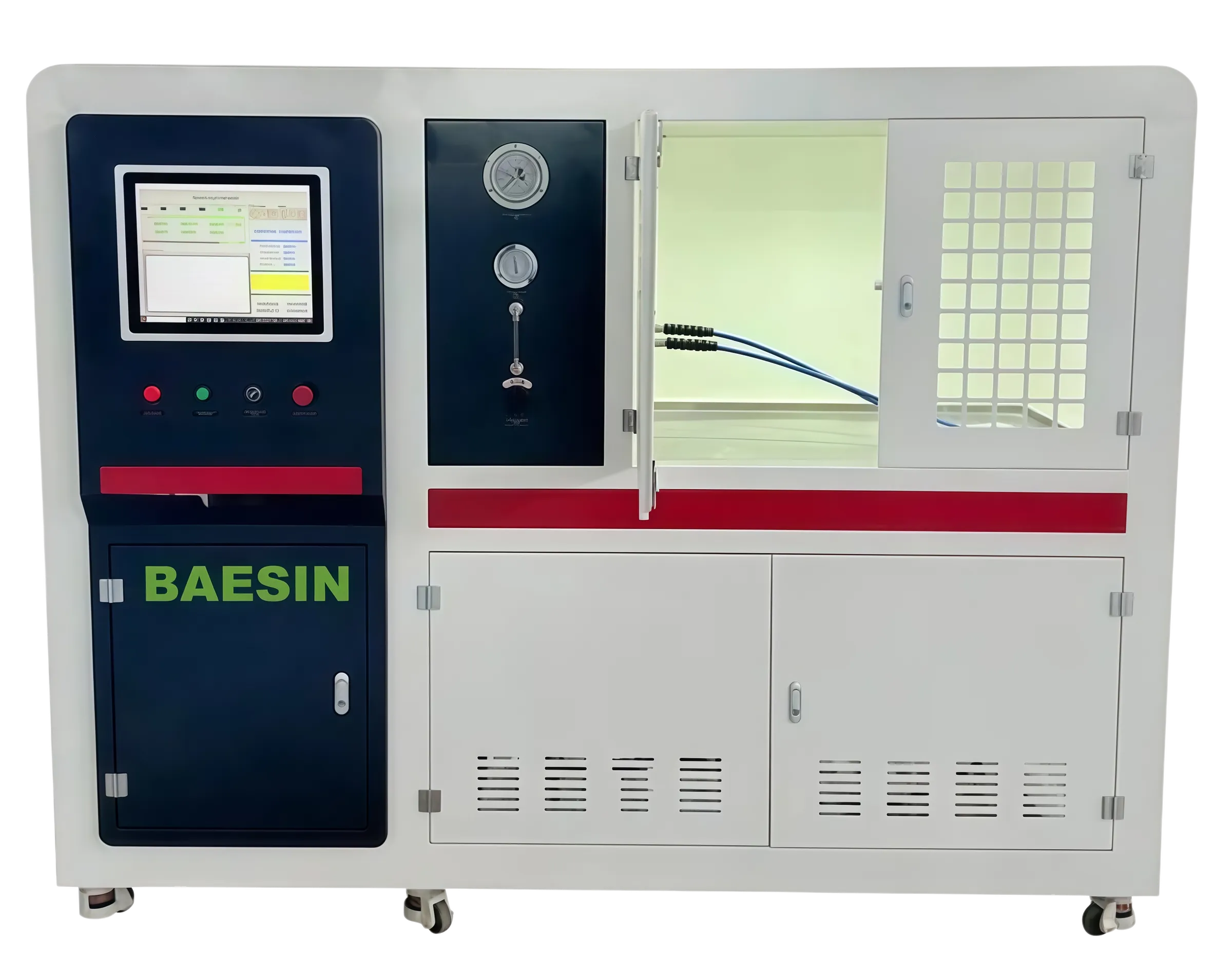
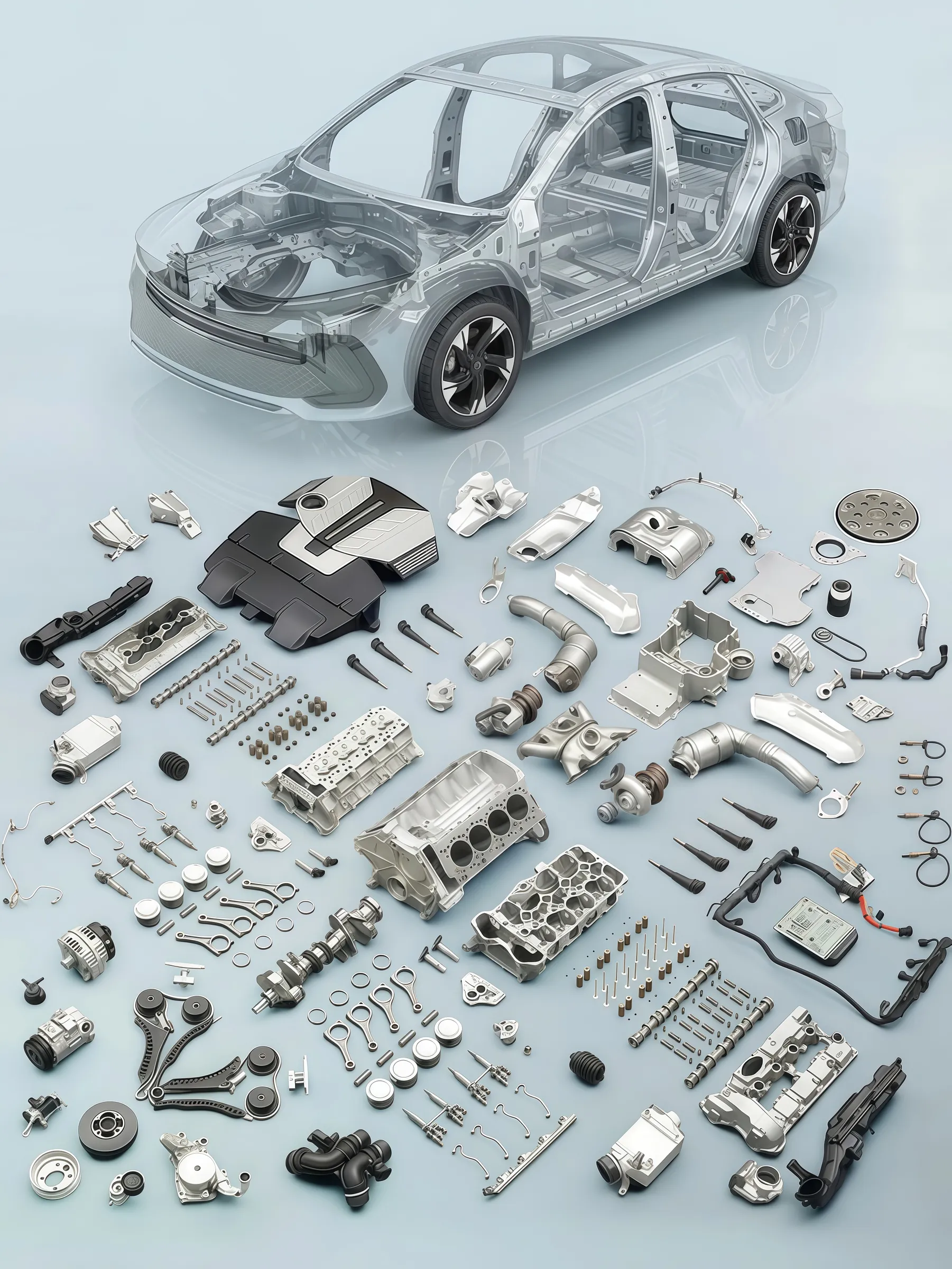
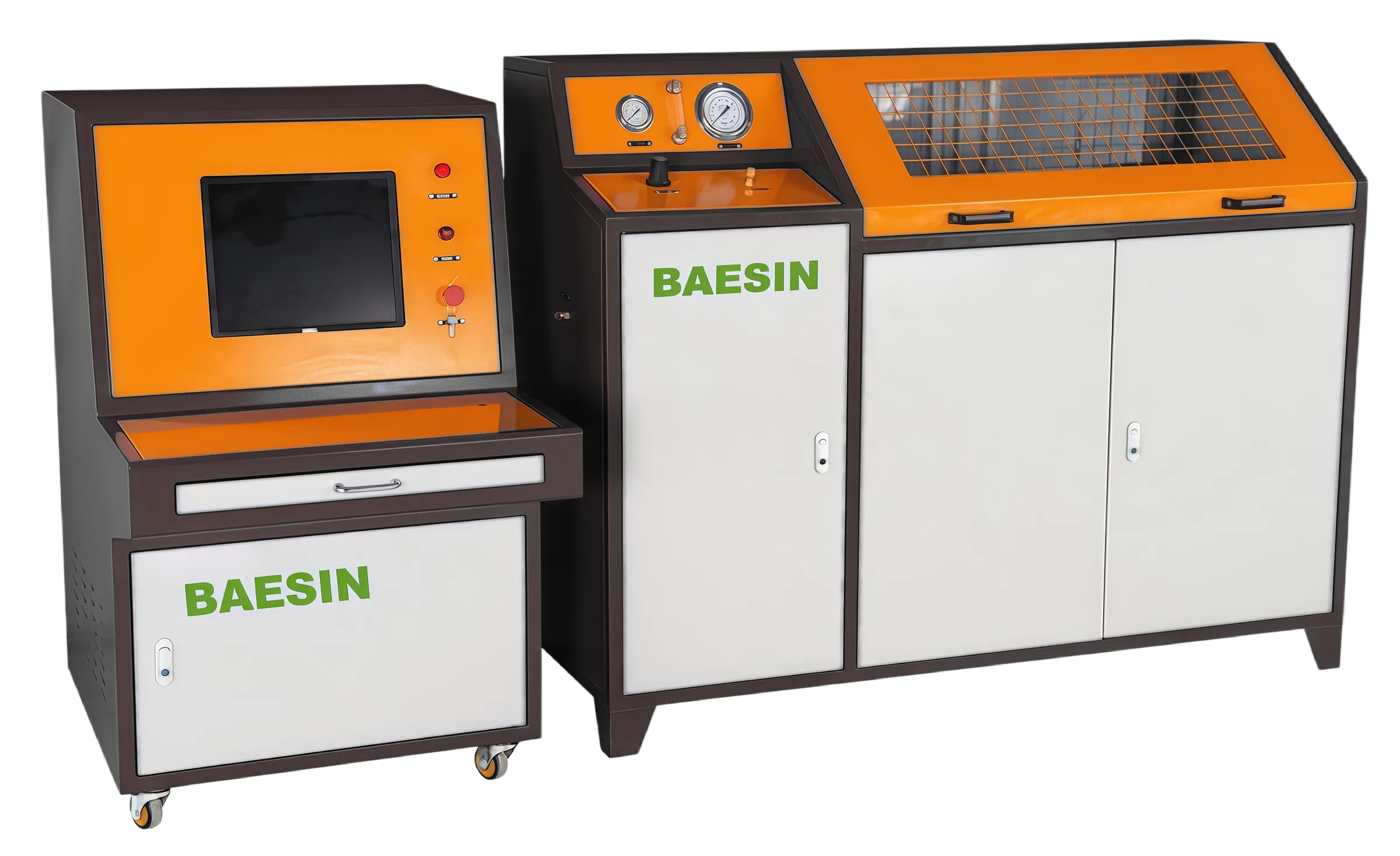
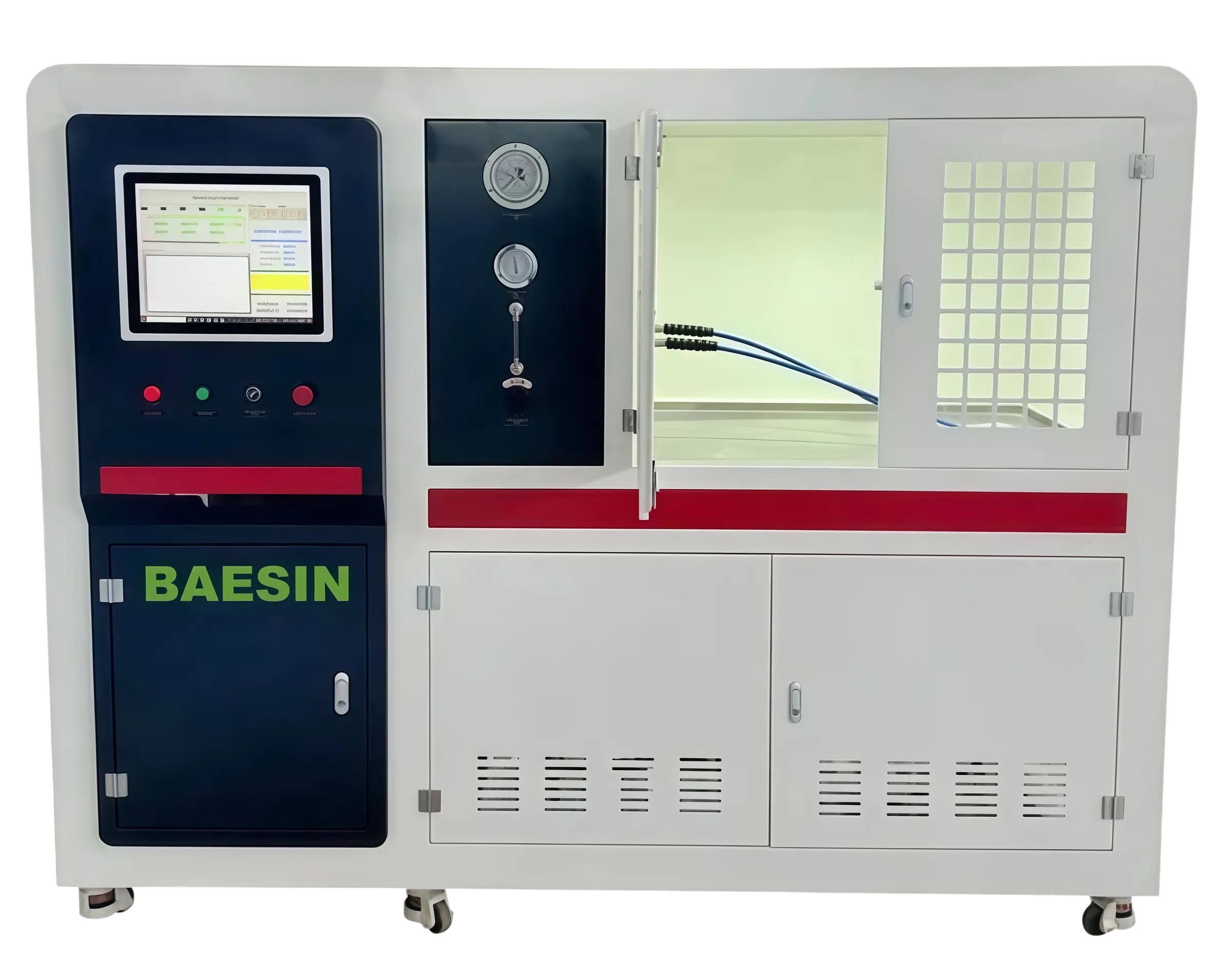
High-pressure test equipment performs hydrostatic, burst, cyclic, and leak testing on critical parts such as brake hoses, fuel lines, radiators, sensors, and valves to ensure they meet OEM standards. In production, it enables gas-assisted injection molding for lightweight hollow parts like door handles and spoilers. It also supports CNG system leak checks, HVAC sealing tests, and airbag initiator validation – all with spark-free, precise pressure control.

Aerospace

Aerospace

In aerospace, pneumatic boosters are used for more than just pressure testing – they perform hydrostatic, burst, cyclic, and leak tests on airframe components, fill oxygen and nitrogen cylinders, aircraft tires, and hydraulic accumulators, service landing gear shock struts and brake test rigs, provide pressure amplification for hydraulic systems, and enable gas-assisted molding and laser cutting – all with the uncompromising reliability and safety required in aviation.

Power

Power

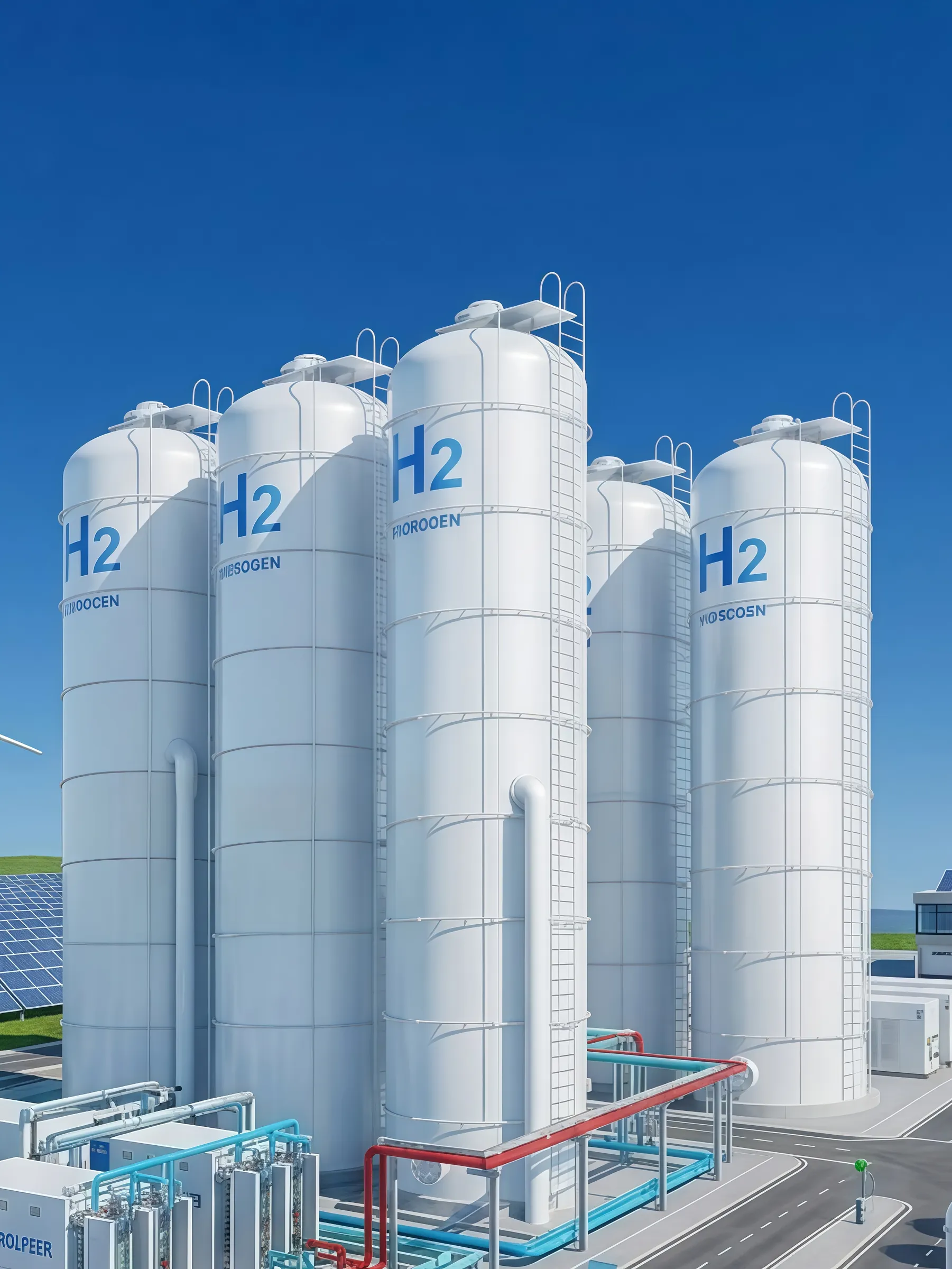
In the energy sector, pneumatic boosters support hydrogen infrastructure across the entire value chain - dispensing at 35/70MPa refueling stations, high-pressure filling and transfer, recovery and compression, reactor charging for petrochemical processes, leak testing of supply systems and vehicle fuel cells, and gas-assist molding for lightweight hollow parts – all with intrinsically safe, spark-free pneumatic operation.

Refrigerant

Refrigerant

In refrigerant handling, pneumatic boosters enable precise filling and charging of air conditioning systems, refrigeration units, and fire extinguishers; safe transfer from ISO tanks and bulk storage; packaging at production plants; system evacuation and gas purging before charging; and stable high-pressure supply for central distribution systems over long distances – ensuring efficiency, safety, and process integrity throughout.

Diving

Diving

In the diving industry, pneumatic boosters ensure breathing gas safety and equipment reliability. They fill high-pressure oxygen and gas mixtures for rebreathers and SCUBA systems. They perform hydrostatic and cyclic testing on cylinders to verify long-term durability. They leak test regulators, valves, and seals to guarantee performance at depth.